
HMRC Warns Self Assessment Filers About Fake Tax Refund Scams
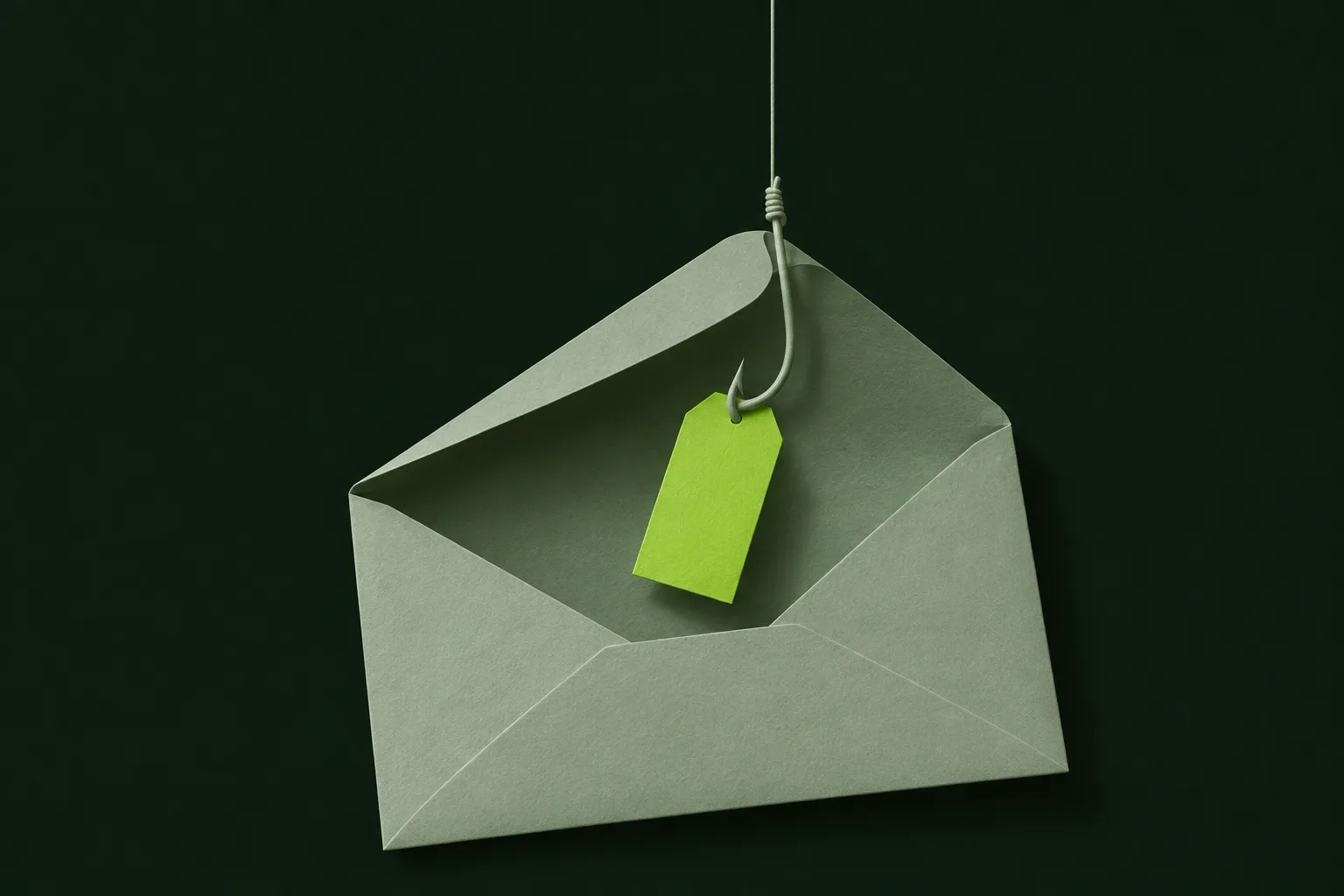
HMRC warned Self Assessment customers on 17 November to watch out for scams in the run-up to the 31 January deadline. In its announcement, HMRC says it received 1,704 reports of Self Assessment scams in the last 12 months, and 48,119 reports of scams where fraudsters pretended to be HMRC.
The example it gives is a familiar one. In August 2026, HMRC says, around 900 reports were linked to a single scam: an email with a malicious attachment that sent people to a fake GOV.UK page. The email told them they had an unclaimed tax repayment and asked them to verify their identity and payment details. HMRC says it shut that one down, but the point stands. Scammers time these messages for the months when you are expecting to hear about your tax.
If you are a sole trader or run a side business, you are exactly who this is aimed at, and your inbox is about to get busier. HMRC lists three things it will never do. It will never email, text or phone to tell you that you are due a refund, or ask you to claim one. It will never ask for personal or financial information by email or text. And it will never leave threatening voicemails about legal action or arrest.
So what should you actually do? Don't click the link in a refund message, however real it looks. Go to GOV.UK yourself, or use the HMRC app, and check your account there. HMRC also has pages for checking whether an email, text or call claiming to be from it is genuine. If something looks off, HMRC asks you to forward suspicious emails to phishing@hmrc.gov.uk and texts to 60599, and to report phone calls on GOV.UK.
It is the same habit we suggest for the other official-looking emails a small business gets. Our guide to working out whether a domain renewal email is real comes down to the same move: ignore the link, open your own account directly, and check there. For the tax itself, the deadline to file and pay for the 2025 to 2026 tax year is 31 January 2027, and HMRC says you can file securely online on GOV.UK. We are a web studio, not accountants, so anything about your return is a question for HMRC or your accountant. If you have a question about your website, get in touch.
The full guide: Domain Renewal Email: Real or a Scam?
Your new website: Viewing
available.
Tell us your business name and town. We build your website and email you a private link to look around. Love it and it goes live. If not, you owe nothing.
£0 until you say yes