
Google's August spam update: what it means for a local business site
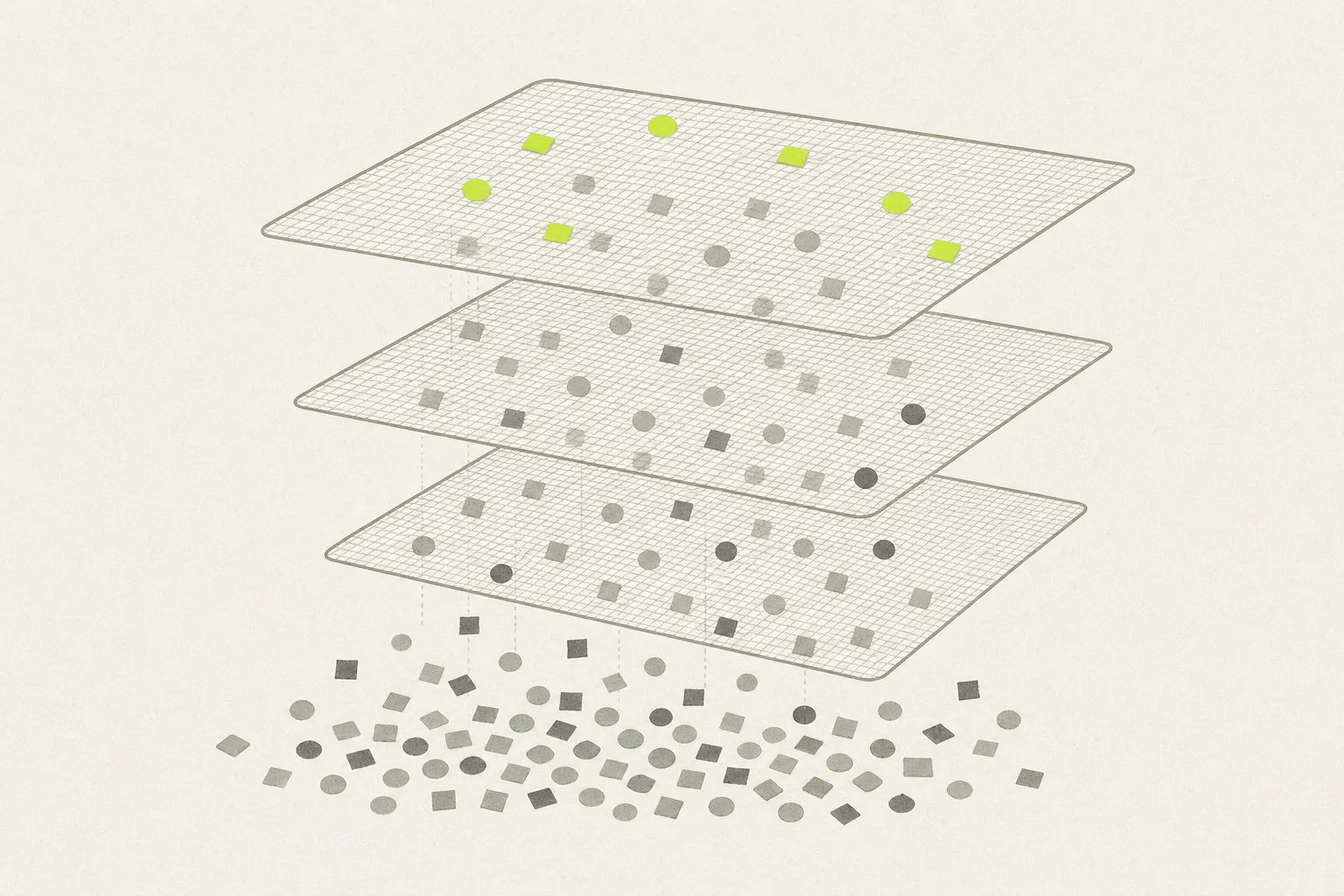
Google began rolling out a spam update on 18 August. It is listed on Google's Search Status Dashboard as a ranking update, it covers every language and region, and Google has said the rollout will take some days to finish. As of this morning it was still running. It is the third spam update Google has confirmed this year, after ones in March and June.
A spam update is not a redesign of how search works. Google's anti-spam systems run all the time, and when Google makes a notable improvement to them it names the change, dates it, and adds it to a public list of ranking updates. That is all this is. No new rules arrived with it, no announcement, no change to the policies themselves, just Google's systems getting better at enforcing what was already written down.
Those policies are shorter and blunter than most people expect, and worth ten minutes of anyone's time once. Google defines spam as techniques used to deceive users or manipulate its search systems into featuring content prominently, and that now includes trying to manipulate the AI answers appearing in Search. So the target is pages built to game a ranking rather than to be read by anybody.
For most local businesses that means nothing to do. If your website says who you are, what you do, which towns you cover and how to reach you, none of that appears anywhere on Google's list, and it never has. This one is aimed somewhere else.
There is a less comfortable case, though, and it is worth naming. If somebody once sold you a package with guaranteed first-page rankings and would not explain in plain words what they were doing for the money, an update like this is what eventually catches up with that work. You do not have to become an expert to check. Ask them what they actually did, then read the answer against Google's policy page above.
And if your position in search has moved in the last few days, sit on your hands. A rollout that takes days shuffles results while it settles, so what you see halfway through it is not the verdict. Google's own advice to a site that sees a change after a spam update is to go and read the spam policies, not to start changing things. The dashboard says when a rollout has finished. That is the point at which a comparison means anything.
What is worth an hour this week is the part that does not move when Google reshuffles. Your Google Business Profile is free, it sits outside all of this, and it is the one bit of being found that you control directly. The rest of our guides take the same line: no jargon, and no scare stories about things you cannot control.
Your new website: Viewing
available.
Tell us your business name and town. We build your website and email you a private link to look around. Love it and it goes live. If not, you owe nothing.
£0 until you say yes