
Are Website Costs Tax Deductible? What HMRC Says
Yes, in most cases. gov.uk's guide to expenses for the self-employed lists website costs as a marketing cost you can claim. What's less obvious is how and when. HMRC's own manual treats paying to have a website built differently from paying to keep it running, and which rule matters depends on how you keep your books.
This is for sole traders and small limited companies paying for a website, or filling in a return with a web designer's invoice in the pile. We're a web studio, not accountants. So below is what HMRC's published pages say, which gives you the right questions to ask. Your own accountant (or HMRC) decides how it applies to your business.
Can I claim my website as a business expense?
Yes, if the website is for your business. On its marketing expenses page, gov.uk lists "website costs" next to advertising in newspapers or directories and mailshots as marketing costs you can claim if you're self-employed.
The usual rule about mixed use still applies. gov.uk says you can only claim the business part of a cost, and its own example is a phone bill where only the business calls count. A website that only promotes your business is simple. If it also carries a personal blog or a hobby shop, the business share is the part to claim.
Is building a website treated differently from running one?
Yes. HMRC's internal guidance, BIM35815 in the Business Income Manual, says the original cost of creating a website is capital, while regular updates are likely to be revenue. Capital is spending on something with a lasting benefit to the business. Revenue is the day-to-day cost of running it.
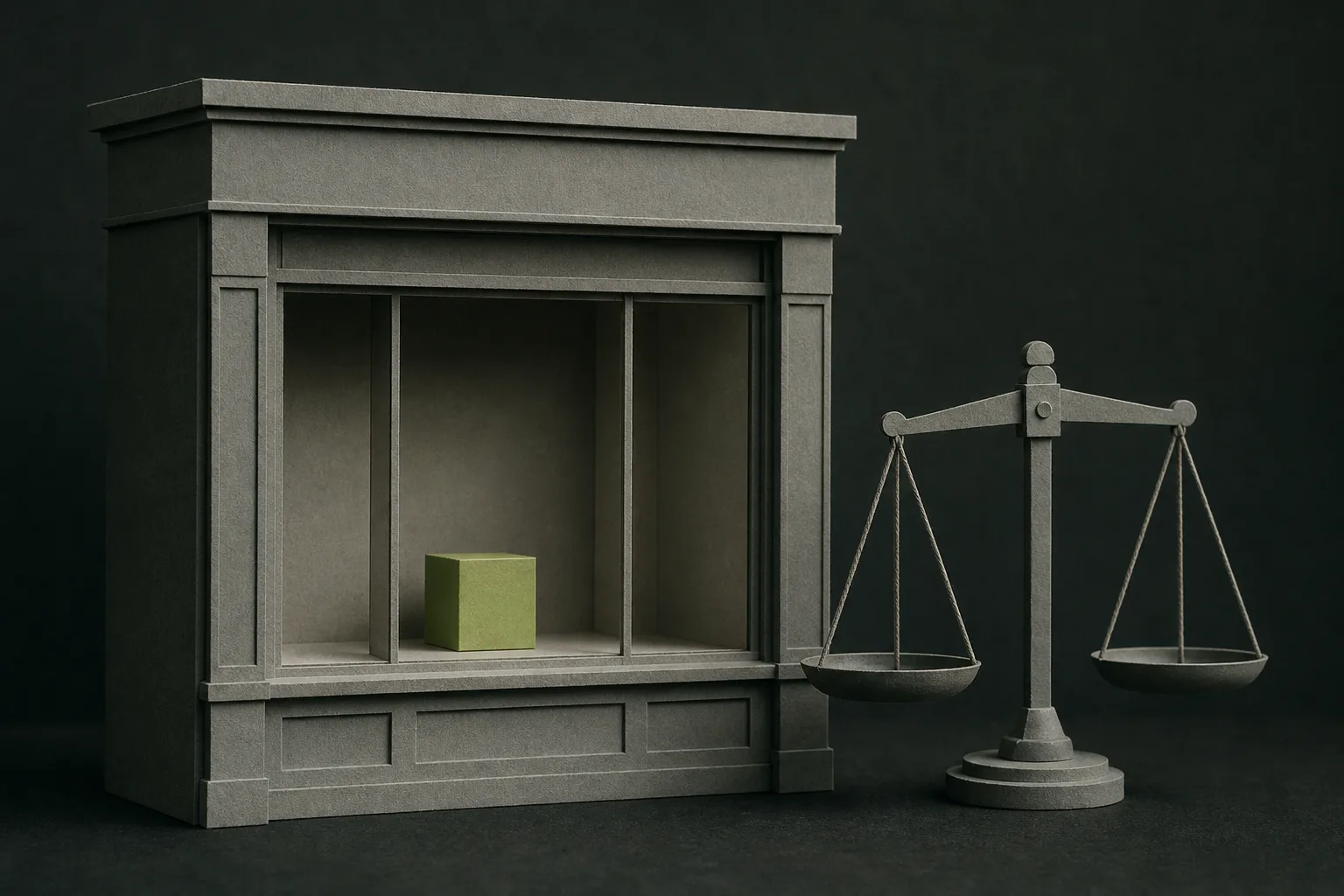
The manual explains it with a shop window: "The cost of constructing the window is capital; the cost of changing the display from time to time is revenue." It also says calling the spending advertising doesn't decide the answer. What the money actually bought does.
Here's roughly where common website costs fall, and what to ask about each:
| What you paid for | Where HMRC's guidance points | What to ask |
|---|---|---|
| Having a new website built | HMRC's manual treats the original cost of creating a site as capital | On cash basis, whether it can go in as a normal expense. On traditional accounting, how the capital cost is relieved instead |
| A monthly fee for hosting, security and edits | A running cost, closer to the regular updates the manual calls revenue | Usually just which expense heading it belongs under |
| Paying for changes and updates as you go | The manual says regular updates are likely to be revenue | Nothing much, as long as the invoice says what the work was |
| A complete rebuild or redesign | Not spelled out in the manual's page on websites | Whether yours counts as keeping the site going or creating something new |
That last row is the awkward one. A rebuild that replaces a tired site can look like upkeep or like a brand new asset. HMRC's page on websites doesn't settle it, so don't settle it yourself either.
Does it matter whether I use cash basis or traditional accounting?
Yes, and it's the question that matters most for the build cost. gov.uk describes cash basis as the standard way for sole traders and partnerships without corporate partners to record income and expenses. It means you count money when it actually comes in and goes out.
Under cash basis, gov.uk says equipment you buy to keep and use in your business is claimed as a normal allowable expense rather than as a capital allowance (a separate relief for things the business keeps). Its examples are machinery, computers and vans, with different rules for cars. It doesn't mention websites by name in that list, so ask your accountant whether your build can go in the same way.
If you use traditional accounting instead, or you trade as a limited company (gov.uk says limited companies can't use cash basis), the capital and revenue split in the manual matters more. A capital cost isn't claimed as an everyday expense. How it gets relief instead is exactly the kind of thing to leave to your accountant.
What should I keep for my records?
Keep every invoice, and make sure each one says what the money was for. An invoice that only says "website" leaves your accountant guessing how much of it was the build and how much was a year's hosting. Ask your web designer to split the two. It's a fair thing to ask.
Here's a message you can copy and send to your accountant, with the gaps filled in:
Hi, I've paid for a website for the business. The invoice splits into [amount] for building the site and [amount] a month for hosting, security and changes, starting [month]. I'm on [cash basis / traditional accounting]. Can you tell me how each part should go on my return, and whether anything should be claimed differently from my other marketing costs?
Send it before you file rather than after. It's a quick question for them, and it saves you guessing at the line of the return you're least sure about.
How does that work with what ByRender charges?
Our fees come in the same two parts. We build your whole website for free, you look round it, and you only pay if you want to keep it: setup from £495, then from £69 a month for hosting, security, backups and edits. Tell your accountant which payment was which, and the table above gives them the rest. Our pricing page sets out what each fee covers.
If you're still weighing up what a website should cost you every month, our guide to what a website's monthly fee should cover breaks down the running side, and the website costs and choices hub has the rest of the money questions in one place.
Frequently asked questions
Does claiming my website mean I get the money back?
No. An allowable expense comes off your profit before tax is worked out, so it lowers your tax bill. It doesn't refund what you paid. How much tax it saves depends on your profit and your tax rate, which is why nobody honest can put a figure on it for you.
What if I am not sure whether something counts?
gov.uk's own expenses guide says that if you're not sure whether a business cost is an allowable expense, you can contact HMRC. An accountant can answer it for your business in particular, and if you have one, that's who should decide.
Your new website: Viewing
available.
Tell us your business name and town. We build your website and email you a private link to look around. Love it and it goes live. If not, you owe nothing.
£0 until you say yes