
How to Get More Google Reviews (Without Breaking the Rules)
The fastest ways to get more Google reviews are, since last year, largely against the rules. Offering money off for a five-star rating breaks Google's policy outright. Only sending the review link to customers you already know were happy breaks it too, and since April 2025 a version of the same practice is against UK law as well. Two shortcuts, both closed off. What's left works slower, but it's the version that survives an audit of your profile, or a letter from the Competition and Markets Authority.
How do you actually get more Google reviews?
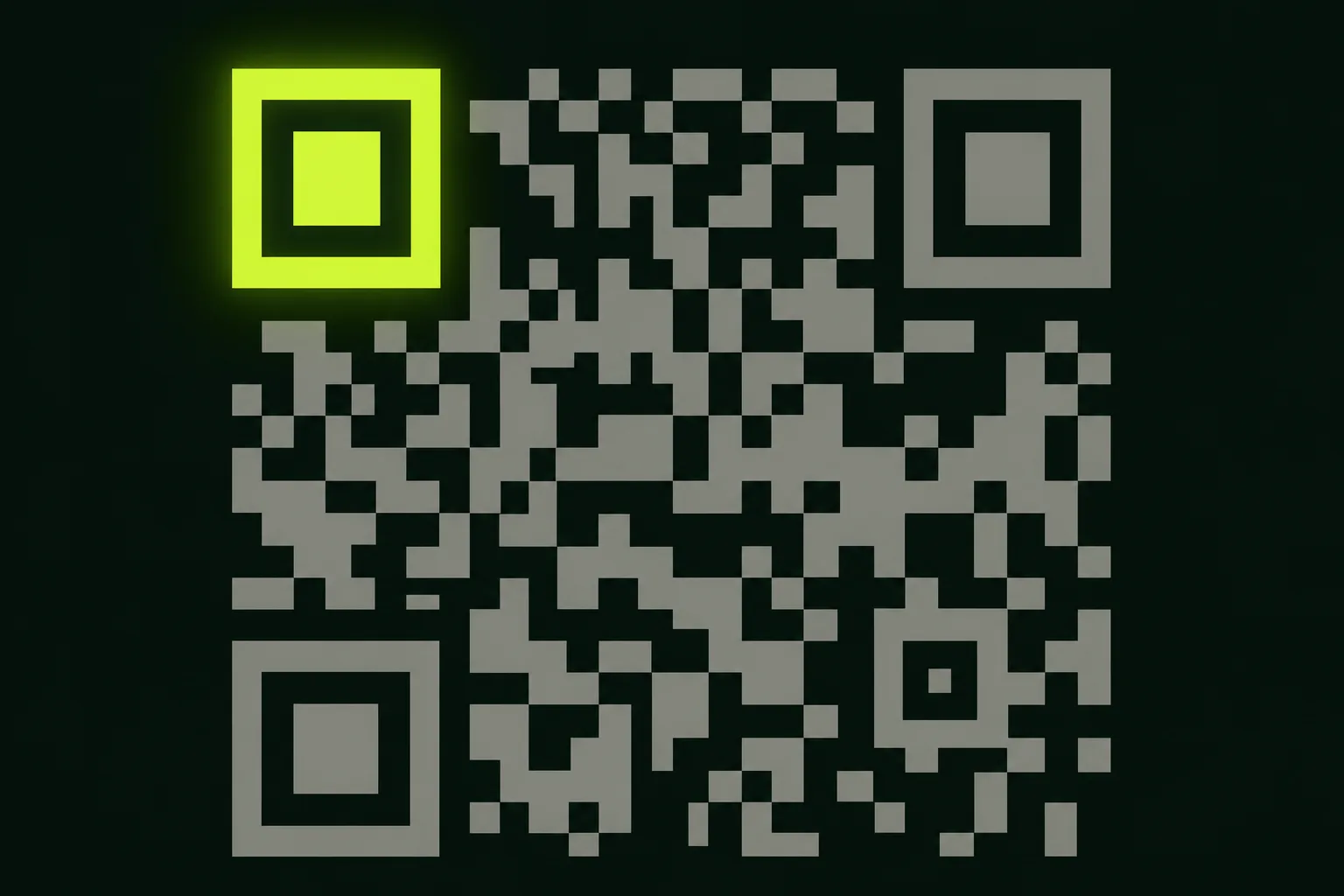
With a direct link, not a request to "find us on Google". From your Business Profile at business.google.com, select Read reviews and then Get more reviews, and Google generates a link that opens straight onto the box where a customer types their review, no searching required. There's a QR code on the same screen you can save and print onto a receipt or a card, though Google's own instructions note the QR code can only be generated from a computer browser, not a phone.
Send that link (or the QR code) the same day a job finishes, by text or email, while the work is still fresh. A request that arrives a fortnight later, once the invoice is long paid and forgotten, gets ignored far more often than one sent the same afternoon.
Keep the message itself short and plain: what the job was, a thank you, then the link. Something like "thanks for having us round to fix the boiler today, if you've got a minute this link takes you straight to leaving us a Google review" does the job without sounding scripted. Sending the identical line to every customer, whatever the job, is the point, not a weakness in it.
Can you offer a discount for a review?
No. Google's reviews policy says merchants must not "offer incentives, such as payment, discounts, free goods and/or services, in exchange for posting any review or revision or removal of a negative review". That covers the obvious version, £5 off for a five-star rating, and the quieter one too: a free extra visit "for leaving us some feedback online" counts the same way. Asking for a review with nothing attached to it is fine. Asking and offering something for it is not.
What is review gating, and why does Google ban it?
Review gating is filtering customers before you ask, sending your happiest clients straight to Google while quietly directing anyone less satisfied toward a private feedback form instead. Google's policy rules it out in as many words: businesses must not "discourage or prohibit negative reviews, or selectively solicit positive reviews from customers". The rule isn't there to make life harder, it's what stops a profile's star rating from being a filtered, misleading version of what customers actually think. Practically, it means one message, sent to everyone, worded the same way regardless of how the job went.
What does UK law say about fake reviews?
Since 6 April 2025, the Digital Markets, Competition and Consumers Act 2024 has treated certain review practices as banned outright, not just against a platform's own policy. The Competition and Markets Authority's own guidance lists what that covers: posting or commissioning a review that isn't based on a genuine experience, publishing an incentivised review without disclosing the incentive, suppressing genuine negative reviews, and cherry-picking only the positive ones to create a misleading overall picture. The Act applies to any business that publishes or relies on consumer reviews, not just the review platforms themselves.
The guidance gave businesses a three-month grace period to get their own processes in order before it started expecting compliance, and it asks for two concrete things: a clear written policy on preventing and removing fake reviews, and reasonable, proportionate steps to detect and act on them if they turn up.
For a small trade business that rarely means much paperwork. It looks more like: never writing a review yourself for your own business, never asking a supplier or another local business to swap reviews with you, and if you're pulling quotes from customers onto your own website as testimonials, checking they were actually left by a real customer before you publish them rather than tidying up something nobody said.
What happens if you break the rules?
On Google's side, the consequences are spelled out: your profile can be blocked from receiving new reviews for a set period, existing reviews can be unpublished, or a warning can be shown telling visitors that fake reviews were removed. You're notified by email first, with a route to ask for reconsideration if you think it's wrong.
On the legal side, the CMA's enforcement so far has targeted platforms handling reviews at scale rather than individual local businesses, but the guidance itself applies whatever your size. For most trades and shops, the practical version of staying on the right side of it is simple: don't write or buy fake reviews, don't hide genuine bad ones, and don't pay for good ones.
When's the best time to ask?
Straight after the customer has seen the result and is pleased with it, not weeks later with an invoice reminder. For a trade job that's the moment you're paid on-site. For a salon or clinic, it's the checkout desk or the follow-up text confirming the next appointment. The request itself should take someone under a minute: the direct link, one line asking honestly, nothing offered in return. If a customer says they left a review and you cannot see it, why Google reviews go missing is worth reading before you ask anyone to post it again.
A contact form or booking flow that already captures a customer's phone number or email makes that follow-up message easy to send without hunting for details afterwards. See the kind of site we build that flow into, and once the reviews start landing, our guide to writing Google review replies covers what to do with them. Want one built for your business? Get in touch and we'll show you a working version before you pay anything.
Frequently asked questions
Can I offer a discount for a Google review?
No. Google's own reviews policy bans offering payment, discounts or free goods and services in exchange for posting a review, changing one, or removing a negative one. It doesn't matter whether the review turns out positive or not, the incentive itself is what breaks the rule.
Can I ask happy customers for reviews and send unhappy ones to a private form instead?
No, that's review gating and Google's policy names it directly: you can't selectively solicit positive reviews or discourage negative ones. Every customer gets the same request, sent the same way, regardless of how the job went.
Is it legal to only publish the good reviews I collect and leave the rest off my own site?
If you're running your own review widget or testimonials page, cherry-picking which genuine reviews to display is a banned practice under UK consumer law since April 2025. The line is publishing a review that wasn't left, not choosing which real ones to feature, but leaving out every negative one to create a misleading picture crosses it.
What happens if Google catches fake or incentivised reviews on my profile?
Google can stop your profile receiving new reviews for a set period, unpublish reviews already there, or add a warning telling visitors that fake reviews were removed. You'd get an email notice first, with the chance to ask for reconsideration.
Do I need a Google Business Profile before I can start collecting reviews?
Yes, reviews attach to a Business Profile, not to your website. If you haven't claimed and verified one yet, that's the step before any of this, and it's free.
Your new website: Viewing
available.
Tell us your business name and town. We build your website and email you a private link to look around. Love it and it goes live. If not, you owe nothing.
£0 until you say yes